

Estimating by eye tends to leave out what you can't see: the time spent on diagnosis, the cleanup, or the extra product that goes on long hair. This method helps you build your own calculation. It includes no cost figures because every salon has its own.
What goes into the cost of a service?
Four blocks: product, labor time, disposables, and business overhead. If one is missing, the number looks better than it really is.
How do you calculate product per application?
Divide what you paid for the container by the number of applications it yields. Do this for each step of the service and add the results.
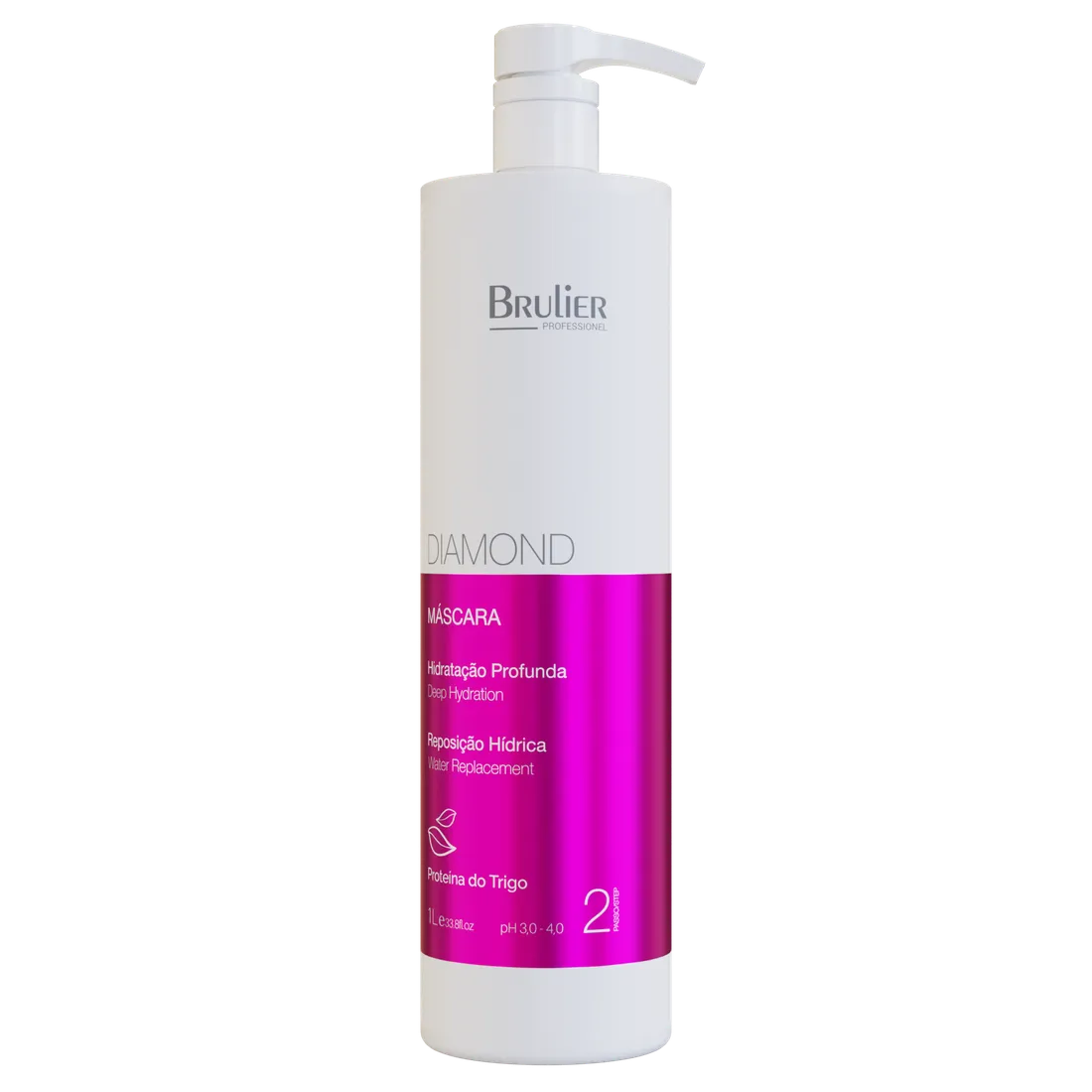
An example with Diamond: according to the manual, the 1 L Shampoo and Complex yield approximately 66 applications each, and the 500 ml Leave-in yields approximately 80. That is three separate divisions, not one.
Why adjust the manual's yield?
The manuals calculate yield on medium-length hair. Long or very voluminous hair uses more. Over several services, write down how much product you actually use and recalculate with that number.
If you work with many different lengths, you can keep one cost per length: short, medium, and long.
How do you calculate labor time?
Measure the full appointment, not just the processing time. In Diamond, for example, the Complex processes for approximately 7 minutes, but the service also includes diagnosis, washing, application, rinsing, finishing, and cleaning the station.
Then multiply that time by what each hour of that professional costs the salon, based on how you pay her.
How do you allocate business overhead?
Add up the monthly expenses that exist even if you serve no one: rent, utilities, software, insurance. Divide that total by the service hours the salon sells in a normal month, using real hours rather than the ones you'd like to sell.
Add that hourly amount to the calculation according to each service's length. Also add disposables such as gloves, paper, or single-use towels.
What should you do with the result?
Compare the total cost with what you charge today. If a service leaves little behind, review usage and time before touching the price. The margin and the final price are your decision, and your accountant can help you review them.
In summary
Add product per step, real time, disposables, and overhead per hour. Repeat the calculation with your actual usage and review it when your costs or services change.
Source: Brulier USA Editorial and the Brulier Diamond manual for yields and times. The method is an editorial suggestion and does not constitute financial or accounting advice. Educational content: it does not replace professional diagnosis or product instructions.Diamond products


Frequently asked questions
What margin should a service have?
This guide doesn't give a figure, because it depends on your area, your expenses, and your business model. It's worth reviewing with your accountant.
How often should I recalculate?
Whenever a product's cost, team pay, or your fixed expenses change, and also when you add a service.
Where can I find the yield of Brulier products?
In each line's manual, where the data is documented. Prices are provided by quote.
Bring it to your salon
Discover Diamond and request your professional quote.