

What a client remembers about her history fits in one sentence: "I had something done a few months ago." A consultation card turns that sentence into information you can use to decide what to apply today, and it saves you from starting over at each appointment.
What basic details should it include?
Name, contact method, consultation date, who attended her, and what she wants, in her own words. That last line is valuable: "I want less frizz" and "I don't want it to break" lead to different services.
What should you ask about chemical history?
What she has had done, when, and, if she remembers, with which product: bleaching, color, smoothing, perms. Ask about box color at home too.
Write down what she doesn't know. "Doesn't remember" is also information, and it tells you to be more cautious. In chemical services, the history and the strand test remain decisive.
Which habits are worth recording?
How often she washes her hair, whether she uses a flat iron or blow dryer, whether she swims in pools or the ocean, what she uses at home, and how much time she can give her routine. All of this changes what you recommend in the salon and at home.
How do you record the condition of the fiber and scalp?
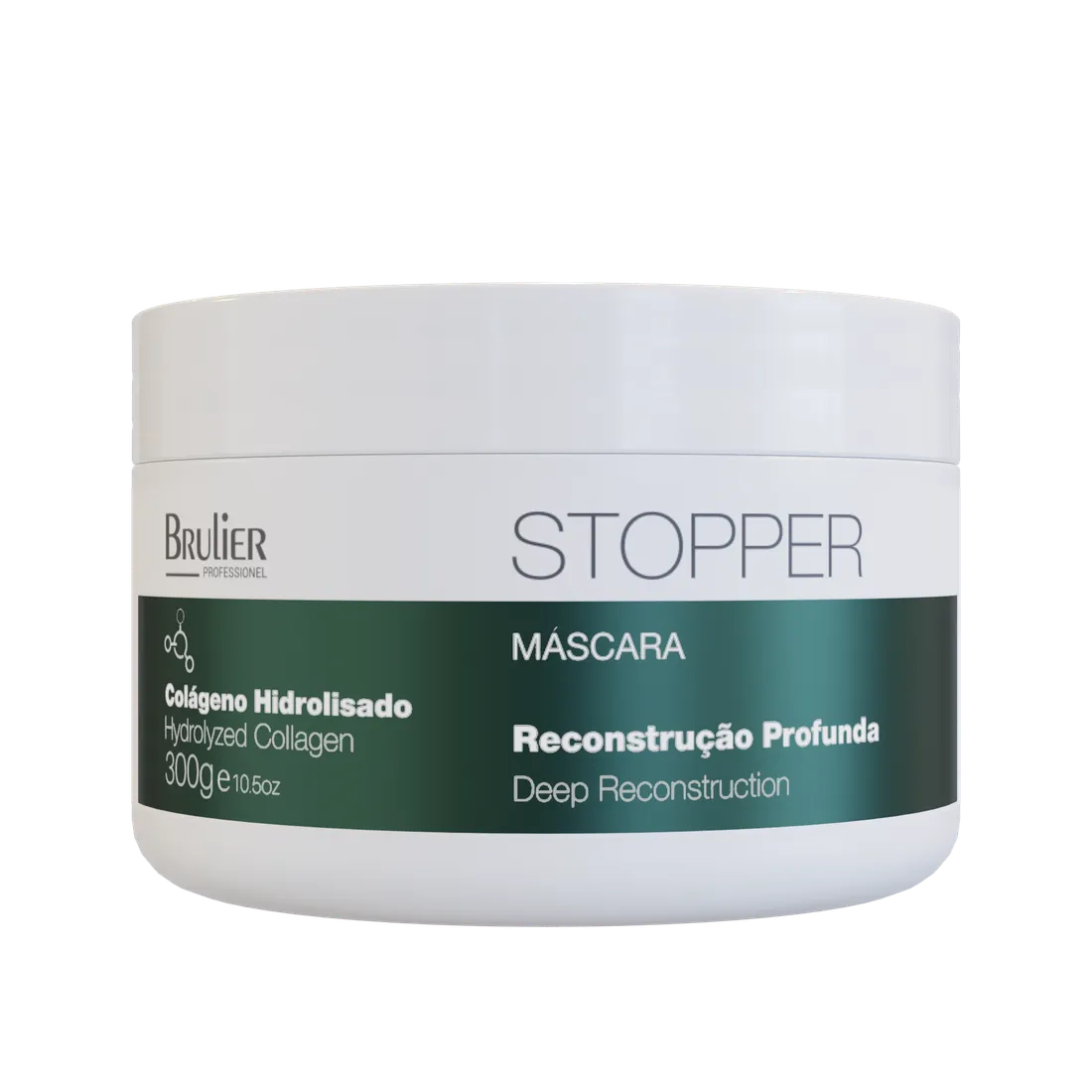
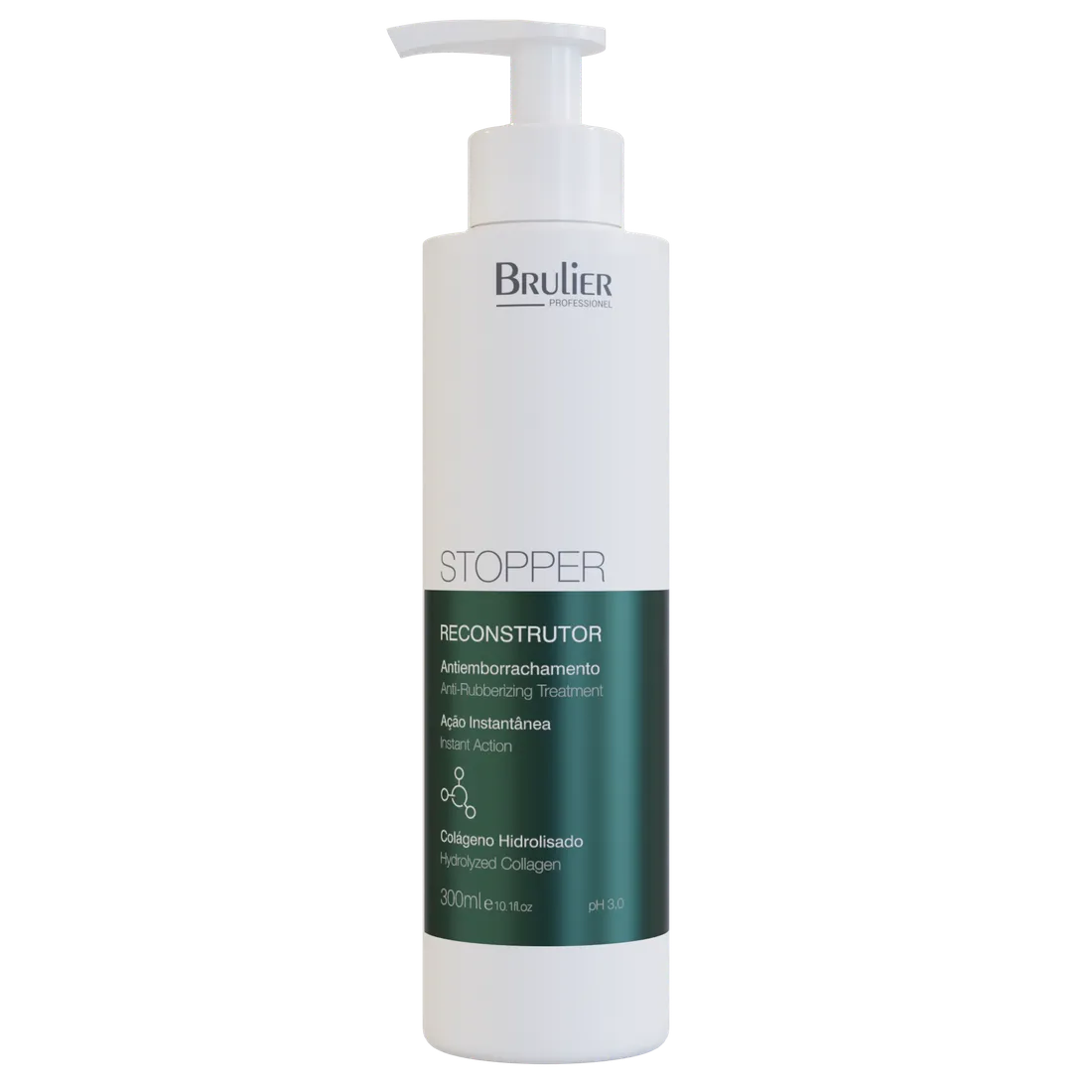
Keep them in two separate sections. For the fiber, note porosity, dryness, breakage, and elasticity. If there is a gummy effect, record whether the hair is slightly, very, or extremely elastic, because the protocol changes: Stopper, for example, processes for 5 to 15 minutes depending on the damage or elasticity.
For the scalp, describe what you see or what the client tells you: oiliness, flaking, a feeling of irritation. Don't write the names of diseases. If there is persistent irritation, lesions, pain, or significant hair loss, note that you suggested a health evaluation.
What should you note at the end of each visit?
The line and protocol used, the processing time, the strand test result if there was one, what you recommended for home, and the suggested return date. If you take photos, note that the client gave her permission.
Keep cards organized and limit who can access them, because they contain personal information. Your advisor can tell you which privacy rules apply to your business.
In summary
Ask about history, habits, and goals, keep fiber and scalp separate, and record what you did. A simple card that always gets used beats a long one nobody fills out.
Source: Brulier USA Editorial, with diagnostic criteria from Mildrey García's Xcentric Beauty master manual and the Brulier Stopper and Golden manuals. It does not replace a health consultation or legal advice. Educational content: it does not replace professional diagnosis or product instructions.Stopper products
Frequently asked questions
Should the card be on paper or digital?
Either works if the whole team can check it and the information stays protected. What matters is using it at every visit.
Can I write down a medical diagnosis?
No. Record what you observe and suggest a health evaluation when appropriate.
How often should it be updated?
At every appointment, even if only to note the service performed and any change in habits or chemical work.
Bring it to your salon
Discover Stopper and request your professional quote.